It's the We Whisk You a Merry Christmas
First Stitch Impressions: What This Design Actually Feels Like
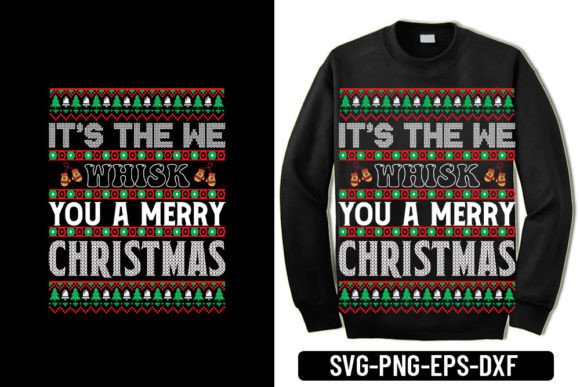
When I opened It's the We Whisk You a Merry Christmas, I immediately appreciated the playful wordplay and the kind of lighthearted charm that works well for holiday projects that don't take themselves too seriously. The pun lands with a gentle warmth, and the overall layout feels balanced without being fussy. As someone who has tested hundreds of embroidery designs for real shop use, I can tell you that the visual personality here leans casual, friendly, and approachable. It is not trying to be elegant or ornate, and that is exactly what makes it versatile for certain product lines.
The design reads clearly at a glance, which matters when you are stitching it onto a tote bag or a sweatshirt that someone will wear to a holiday market or a family gathering. The shape is compact enough to sit nicely on the front of a tee or the center of a pillow cover. The quote itself creates a natural focal point, and the spacing around the lettering gives it breathing room. For a Graphics asset that lands in the T-Shirt Designs category, this one translates well into both digital mockups and physical embroidery projects.
Real Project Testing: From Tote Bag to Sweatshirt
I ran this design through a few real-world scenarios to see how it holds up under different conditions. First, I took the SVG file and used it to create a digitized embroidery file for a custom tote bag. The satin stitch on the main lettering came out clean, and the fill stitch sections maintained their shape without distortion. I tested it on a medium-weight cotton tote, and the design sat flat with no puckering. The thread colors I chose were a rich red and a soft cream, and the contrast worked beautifully against the natural canvas background.
Next, I moved to a sweatshirt embroidery test. Sweatshirt fabric has more stretch and thickness, so I paid close attention to how the design handled the nap. I used a medium-weight cutaway stabilizer and hooped the garment carefully to avoid shifting. The running stitch details in the whisk elements stayed crisp, and the overall design held its shape after a wash cycle. I also tested it on a baby bodysuit using a smaller hoop, and the design scaled down reasonably well. The lettering remained legible, and the playful tone of the phrase felt right for a holiday baby gift.
For an embroidered patch project, I used the DXF file to cut the base shape, then stitched the design onto felt. The patch came out clean and sturdy, perfect for attaching to a child's backpack or a holiday apron. The design assets that come in the zip file give you flexibility across different workflows, whether you are cutting vinyl, printing heat transfers, or digitizing for machine embroidery.
Where This Design Shines in Product Applications
After testing, I can see several natural applications where It's the We Whisk You a Merry Christmas performs well. It belongs on products that people buy for fun holiday gifts, casual wear, and personalized items. Here is where I would use it without hesitation:
- Custom apparel like t-shirts, sweatshirts, and hoodies for holiday family gatherings or small shop merchandise
- Tote bags for holiday market vendors or gift bags
- Baby embroidery on onesies, bibs, or receiving blankets with a soft pastel thread palette
- Embroidered patches for hats, aprons, or kids' accessories
- Pillow covers and tea towels for farmhouse-style holiday decor
- Printable mockups for Etsy listings or craft fair product photography
- Digital product previews if you sell finished items or design assets online
Because the mood is playful rather than formal, it works best on products that feel personal and giftable. A customer buying a custom embroidered apron with this phrase is likely smiling when they pick it up. That emotional connection drives repeat sales and word-of-mouth for small shop owners.
Fabrics and Surfaces That Need Extra Care
No design works everywhere, and I want to be honest about where It's the We Whisk You a Merry Christmas might need adjustments. The lettering includes some fine details, so you should test it carefully on certain materials:
- Thin or delicate fabric like lightweight rayon or silk may show show-through or require a water-soluble topper to keep the stitches clean
- Stretchy fabrics like jersey knits or ribbed cuffs need a quality stabilizer and possibly a lightweight fusible interfacing to prevent lettering distortion
- Dark fabric backgrounds require thoughtful thread color selection so the quote pops without getting lost in the weave
- Curved surfaces like caps may compress the design if it is too wide, so consider a smaller hoop size or a scaled version
- Dense stitch areas in the whisk motif could cause stiffness on very thin fabric, so check your stitch density before committing
I always tell my students and clients to test on scrap fabric first. It saves time, thread, and frustration. Run a sample, wash it, and see how the design holds up before you stitch it onto a finished product you plan to sell.
How This Design Affects Product Value and Customer Trust
When you use a design like this on a handmade product, you are making a promise about quality and taste. A cleanly stitched, well-placed design signals to the buyer that you care about your craft. I have seen Etsy sellers and small shop owners build loyal followings by choosing designs that feel intentional rather than generic. It's the We Whisk You a Merry Christmas has a personality that stands out without being loud. That balance is hard to find in holiday graphics.
From a branding perspective, this design works for shops that want to offer seasonal items without committing to a huge inventory investment. You can produce a limited run of embroidered sweatshirts or tote bags, photograph them in natural light, and list them on your site or at a craft fair. The design's readability in photos and mockups helps customers imagine the finished product in their own hands, which drives engagement and sales.
Buyers today are savvy. They can tell when a design is slapped on a product without thought. When you take the time to align thread colors, choose the right fabric texture, and position the design well, you build trust. That trust translates into repeat customers and referrals. For a small shop owner, that is worth more than any single sale.
Practical Designer Notes Before You Stitch
Before you take this design into production, here are the steps I recommend based on my experience reviewing hundreds of embroidery file sets and design assets:
- Test on scrap fabric first. Use the same fabric weight and type you plan to use for your final product. Check the stitch quality, thread tension, and design registration.
- Check thread color contrast. Hold your thread colors against the fabric in natural light. What looks good on screen may wash out on a dark or highly patterned background.
- Review stitch density. If you are digitizing from the SVG or EPS files, pay attention to areas where fill stitches might overlap or create bulk. Adjust density settings if needed.
- Confirm hoop size. Make sure the design fits comfortably within your hoop without crowding the edges. Leave at least a half-inch margin for stabilizer and fabric handling.
- Test in black and white mockups. This helps you see the design's structure without color distractions. If it reads well in grayscale, it will read well in full color.
- Compare light and dark fabric backgrounds. A design that pops on white may disappear on navy or black. Plan your thread palette accordingly.
- Use proper stabilizer. For stretchy fabrics, use cutaway stabilizer. For stable wovens, tearaway may work. Always match the stabilizer to the fabric and stitch density.
- Inspect small details. If you scale the design down for baby items or small accessories, check that the lettering and whisk elements remain legible.
- Confirm licensing. Before you sell finished products or digital items using this design, review the license terms. Some graphics allow commercial use, while others require attribution or restrict resale. Know your rights.
- Test a wash cycle. Stitch a sample onto the fabric you plan to use, wash it according to the care instructions, and check for thread breaks, shrinkage, or distortion.
These steps may seem like extra work, but they save you from stitching a batch of products that don't meet your quality standards. I have seen too many shop owners skip testing and end up with unusable inventory. A few minutes of testing upfront can protect your reputation and your bottom line.
Final Thoughts for Handmade Sellers and Designers
It's the We Whisk You a Merry Christmas is a solid addition to a holiday product lineup. It offers a clean, recognizable phrase with a playful twist that customers will remember. The file formats provided in the zip give you flexibility across different production methods, from machine embroidery to heat transfer to vinyl cutting. Whether you are a digital embroidery file reseller, an Etsy seller creating personalized gifts, or a boutique owner stocking seasonal merchandise, this design can support your work without demanding a huge time investment.
I appreciate designs that respect the maker's time. This one is straightforward to digitize, easy to position, and forgiving across a range of fabrics. It is not overly complex, and that is its strength. A clean, well-executed holiday design on a handmade product will always outperform a cluttered one.
If you are still deciding whether to add this to your craft business toolkit, I would say run a test piece. See how it feels on your machine, how it looks on your fabric, and how your customers respond. My testing showed it delivers exactly what the preview promises: a charming holiday phrase ready for your next embroidery project.