Let’s Talk Turkey Thanksgiving T-Shirt – Embroidery Review
When I first opened the Let’s Talk Turkey Thanksgiving T-Shirt design file, I was curious how a T-Shirt Designs graphic would translate into an actual embroidery project. As someone who runs a small shop and regularly tests machine embroidery design files before offering finished pieces to customers, I’ve learned that what looks great on screen doesn’t always stitch out well. This review comes from that hands-on experience—evaluating the design not just as a digital file, but as a real project for custom apparel, handmade product lines, and personalized gift work.
First Impressions: Mood, Layout, and Visual Personality
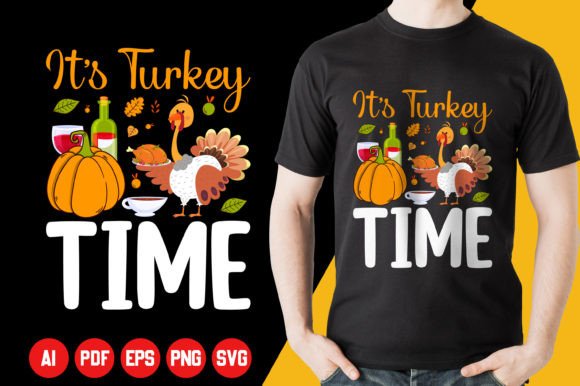
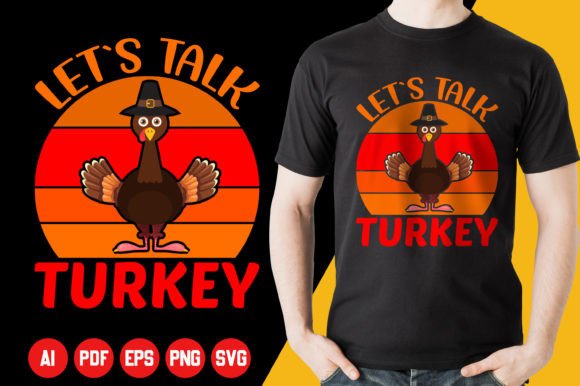
The Let’s Talk Turkey Thanksgiving T-Shirt design carries a playful, conversational tone. The phrase “Let’s Talk Turkey” paired with a turkey motif creates a friendly, almost cheeky mood that fits holiday gatherings, family dinners, and casual fall events. The layout feels balanced—not too crowded, with enough negative space to let the lettering and illustration breathe. That’s a good sign for embroidery, where dense stitch areas can cause distortion on fabric.
The design leans toward a moderate detail level. The turkey shape is recognizable without being overly intricate, and the lettering is bold enough to hold up in satin stitch or fill stitch. From a designer’s perspective, this is a versatile piece of Graphics that can work across several product categories. But the real test is how it behaves under the needle.
Real-Life Scenario: Prepping a Custom Tote Bag for a Holiday Market
I decided to test this design on a tote bag design for an upcoming Thanksgiving craft fair. Tote bags are a staple in my craft business—they’re affordable, giftable, and popular with shoppers looking for quick holiday embroidery projects. I hooped a medium-weight cotton tote with a tear-away stabilizer, and loaded the embroidery file into the machine.
The first thing I noticed was the stitch path. The turkey body used a mix of fill stitch and some running stitch accents for the feathers. The lettering was digitized as satin stitch, which gave it a clean, polished look. Stitch density felt reasonable—not so tight that the fabric puckered, not so loose that the design looked sparse. After a test stitch on scrap fabric, I adjusted the thread tension slightly and swapped the default thread colors for a warmer autumn palette: burnt orange, deep brown, and cream. That simple change made the design feel more cohesive with the season.
The finished tote looked sharp. The turkey’s eye and beak details stayed crisp, and the lettering read clearly from a few feet away. I had two customers ask about it before the market even opened. That told me the visual appeal was there. But I also noted some considerations for future runs.
How the Design Performs on Different Products and Fabrics
Because the Let’s Talk Turkey Thanksgiving T-Shirt design is described as free to use in any way, I tested it on several substrates to see where it shines and where it needs care.
Great on: Apparel and Accessories
- Sweatshirt embroidery: On a mid-weight fleece sweatshirt, the design sat flat without tunneling. The fill stitches held their shape, and the lettering didn’t distort even after washing. This is probably my favorite application—it feels substantial and giftable.
- T-shirt embroidery: On a standard cotton tee, the design worked well with a cutaway stabilizer. I’d recommend testing on a similar fabric first, especially for commercial embroidery runs where consistency matters.
- Embroidered patch: I stitched this design as a standalone patch on felt, then trimmed and attached it to a canvas apron. The patch held its edges nicely, and the turkey motif looked charming against the natural canvas color. This would work great for small shop product lines like aprons or tea towels.
- Baby embroidery: On a soft onesie, the design felt appropriately sized and not too overwhelming. The bold lettering and simple turkey shape read well on a small garment. Just be sure to use a lightweight stabilizer to avoid irritation against baby skin.
- Pillow cover: I stitched it on a linen pillow cover for a fall home decor item. The design sat centered and balanced, adding a handmade touch without looking overly busy. It’s a strong option for personalized gift sellers targeting holiday shoppers.
Use Careful On: Tricky Surfaces and Thin Fabrics
- Small hoop sizes: The design has some width, especially with the turkey and text together. If you’re working with a 4x4 hoop, check the dimensions before you digitize. It may need resizing, which could affect stitch density and detail. Measure first.
- Textured fabrics: On thick knits or fleece with heavy texture, the fine running stitch details in the turkey feathers may get lost. Consider simplifying the stitch types or increasing contrast with darker thread colors.
- Stretchy fabric: On a ribbed or jersey knit, the satin stitch lettering can pull if the fabric isn’t stabilized well. Use a sticky stabilizer or float the design to reduce distortion.
- Dark fabric: The design uses warm, medium-toned colors. On a black or very dark background, you may need to adjust thread colors for better contrast. A white or cream underlay can help, but test it first.
- Curved surfaces like caps: While the design could technically fit a cap front, the layout is more horizontal, so it might not read well on a curved dome. If you want to try it, test on a practice cap before committing to an order.
- Frequent wash items: Kitchen towels, cloth napkins, or reusable bags that get washed often may show wear on the satin stitch lettering over time. Use a quality stabilizer and keep the design away from heavy abrasion areas.
Visual Appeal and Customer Trust
In my experience, buyers of handmade product items look for clarity and charm. The Let’s Talk Turkey Thanksgiving T-Shirt delivers both. The turkeys shapes are friendly without being cartoonish, and the phrase is clever without being obscure. That balance builds customer trust—people know exactly what they’re getting, and the stitching quality reinforces the value of a handmade product.
For Etsy sellers and creative entrepreneurs, this design offers strong giftability and recognition. It’s easy to imagine a customer buying an embroidered sweatshirt or tote as a hostess gift or a family holiday present. The design also works well in printable mockup listings, which helps with brand consistency and buyer engagement. I’ve found that showing the design on multiple products—like a tee, a tote, and a pillow—gives shoppers confidence that they can use it across their own design assets.
From a professionalism standpoint, the clean layout means less time troubleshooting misaligned elements or thread breaks. That directly affects your bottom line. The fewer adjustments you make during production, the more profitable your embroidered patch or custom apparel order becomes.
Practical Designer Notes for First-Time Users
Before you load this design into your machine and start stitching, take a few steps to ensure a smooth run.
- Test on scrap fabric first: Always run a test stitch on the exact fabric you plan to use. This lets you see how the stitch density behaves, whether the thread colors pop the way you want, and if any small details need adjusting.
- Check thread color contrast: The default palette is pleasant, but if you’re stitching on a light fabric, consider using slightly darker tones for the turkey and text to ensure readability. On dark fabric, add a light underlay or choose contrast colors.
- Review stitch density: If the file allows you to view stitch count and density, do it. If it doesn’t, stitch a small test section to see if the fill stitches are too tight or too loose. Adjust stabilizer choice accordingly.
- Confirm hoop size: This design probably fits a standard 5x7 hoop or larger. If you only have a 4x4, you may need to resize, which can alter the appearance. If resizing is necessary, test the new version before committing to a full run.
- Inspect small details: The turkey’s beak, eye, and feather accents are relatively small. If your machine has trouble with tiny running stitch elements, consider simplifying the design or enlarging it slightly.
- Test in black and white: Print a grayscale mockup of the design to evaluate contrast and readability at a distance. This helps you spot areas where thread colors might blend together on the final product.
- Compare light and dark fabric backgrounds: Stitch the design on both a white tee and a dark navy tee. See how the colors shift and how the fabric texture affects the stitch quality. This is especially important if you plan to offer custom apparel with color choices.
- Use proper stabilizer: For most woven or knit fabrics, a cutaway stabilizer gives the best result. For stable fabrics like canvas or denim, a tear-away works fine. Always test so you don’t end up with puckered or distorted stitching.
- Check licensing before selling: The product description says you are free to use this design in any way you want. That’s a generous commercial embroidery license. Still, if you plan to sell finished items or the digital embroidery file itself, double-check the exact terms provided with your download. Some Graphics sellers allow unlimited use, others limit the number of sales. Confirm it to avoid future issues.
One more tip: If you’re using this design for applique design, the bold shapes of the turkey and lettering lend themselves well to fabric overlays. You could easily convert the fill stitches into applique layers and reduce stitch time while adding texture. That’s a popular option for small shop product lines where production speed matters.
Final Thoughts on the Design’s Real-World Value
The Let’s Talk Turkey Thanksgiving T-Shirt is more than just a T-Shirt Designs graphic. It’s a solid machine embroidery design that adapts well to multiple products, from sweatshirt embroidery to tote bag design to embroidered patch projects. Its friendly mood and balanced layout make it easy to market, and the free-to-use license gives small shop product owners flexibility to offer finished items without worrying about rights.
That said, like any machine embroidery design, it has its limits. It shines on stable, medium-weight fabrics and larger hoops. It requires careful handling on stretchy, textured, or very small surfaces. But with proper testing and a bit of thread color tweaking, it can become a reliable fall staple in your craft business or Etsy seller inventory.
If you’re a creative entrepreneur looking for a Thanksgiving design that stitches cleanly and appeals to a broad audience, give this one a trial run. A quick test on a tote bag or a sweatshirt will tell you everything you need to know. And honestly, once you see the finished handmade product in a customer’s hands, you’ll know the review was worth it.