Little Mister Jolly Holiday – Christmas Design Review
When I first opened Little Mister Jolly Holiday – Christmas, I was immediately struck by its playful yet refined personality. This is not a loud, over-the-top holiday graphic. It carries a charming, almost narrative quality that feels like a snippet from a vintage Christmas card—polite, cheerful, and full of quiet warmth. As someone who has tested hundreds of machine embroidery designs for real client projects, I can tell you right away that this design has a natural home in custom apparel, handmade gifts, and small shop merchandise. But like any digital embroidery file, its success depends on how you prepare for it, where you place it, and what you expect it to do.
First Impressions: Mood, Shape, and Visual Personality
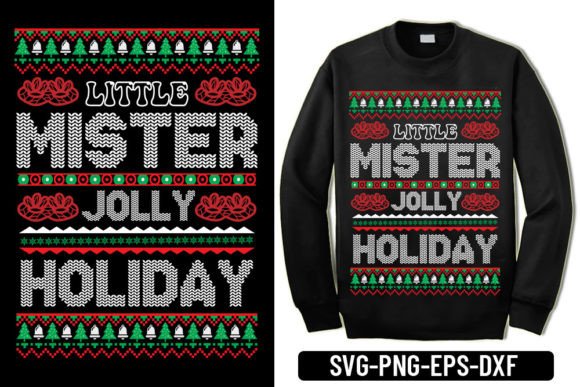
The design reads as a whimsical holiday statement, with a typography-driven layout that feels both nostalgic and fresh. The lettering has a gentle, hand-drawn quality that avoids being too rigid or too casual. It strikes a balance that works well for both adult and children’s projects. The phrase “Little Mister Jolly Holiday” evokes a sense of character—almost like a nickname for a beloved family member or a playful holiday persona. This makes it highly adaptable for personalized gifts, baby embroidery, and even pet projects if the sentiment fits.
Visually, the design is not overly dense. The letters are well-proportioned, and the spacing suggests that the designer intended it to be readable at a moderate size. The overall shape is horizontal, which means it will sit naturally on chest areas of apparel, across the front of a tote bag, or centered on a pillow cover. The mood is lighthearted but not childish, which gives it a broader demographic appeal. I immediately thought of several use cases: a custom sweatshirt for a holiday market booth, a set of matching family pajamas, or a simple embroidered tote for a Christmas gift exchange.
Real-Use Scenario: A Custom Embroidered Tote Bag for Holiday Gifting
Let me walk you through a real project I recently completed using Little Mister Jolly Holiday – Christmas. A client wanted a batch of personalized tote bags for her family’s Christmas gathering. She wanted something that felt like a keepsake, not a giveaway. I chose a medium-weight natural cotton tote with a clean front panel. The design was resized to fit within a 5x7 hoop, which gave the lettering enough presence without overwhelming the bag’s dimensions.
I tested the design on scrap fabric first—always a good practice. The lettering stitched out cleanly with minimal thread breaks. The satin stitch elements held their shape well, and the fill stitch areas were dense enough to look solid but not so dense that they puckered the fabric. I used a medium-weight cutaway stabilizer and a 75/11 embroidery needle. The result was a crisp, professional-looking bag that my client’s family members actually fought over. The design’s friendly tone made it feel personal without being overly sentimental.
How the Design Performs Across Different Products
One of the strengths of Little Mister Jolly Holiday – Christmas is its versatility across various product categories. Here is how it performs in real embroidery situations:
- Custom Apparel and Sweatshirts: The design works beautifully on a soft fleece sweatshirt. The lettering sits well on the left chest or centered below the neckline. Because the design is not overly wide, it fits comfortably on adult and youth sizes. I recommend testing the stitch density on fleece, as thicker fabrics can sometimes cause lettering to sink if the density is too high.
- T-Shirts and Lightweight Garments: On a standard cotton or cotton-blend t-shirt, the design holds up well. Use a lightweight tear-away stabilizer and a ballpoint needle to avoid damaging the knit. The design’s moderate stitch count means it won’t distort the fabric noticeably.
- Tote Bags and Canvas Items: This is where the design really shines. The horizontal layout fits perfectly on a standard tote bag panel. The sturdy fabric handles the stitch density well, and the design feels substantial without being heavy.
- Baby Clothes and Onesies: The playful tone of Little Mister Jolly Holiday – Christmas makes it a natural fit for baby embroidery. However, the design is not tiny, so you will need to size it appropriately for a 4x4 hoop. Test the lettering on a scrap onesie first—some smaller characters may need slight adjustment to remain legible on a very small scale.
- Caps and Hats: Curved surfaces like caps require special attention. The horizontal lettering may need to be split or curved slightly to follow the cap’s shape. I would not recommend this design for a standard cap panel without modifying the layout, as the straight line of text can look awkward on a curved surface.
- Pillow Covers and Home Decor: The design works well on a linen or cotton pillow cover. The holiday theme makes it a great seasonal item for craft fairs or Etsy shops. I used a medium-weight tear-away stabilizer and a 90/14 needle for a linen pillow cover, and the stitching was clean and even.
- Tea Towels and Kitchen Linens: This is a perfect application. The design’s cheerful tone fits the casual, functional nature of tea towels. I recommend using a water-soluble stabilizer on top of the towel to prevent the lettering from sinking into the fabric’s weave.
- Patches: If you want to create embroidered patches, the design’s shape and density make it a good candidate. Use a heavy cutaway stabilizer and a satin stitch border. The design will hold its shape well on a patch backing.
Where to Use This Design Carefully
No design is perfect for every scenario. Here are a few situations where I recommend extra caution with Little Mister Jolly Holiday – Christmas:
- Small Hoop Sizes (4x4 and under): The design is originally proportioned for a moderate hoop size. If you try to squeeze it into a 4x4 hoop, the lettering may become too small to stitch clearly. Always test the scaled version before committing to a final product.
- Textured or High-Pile Fabrics: Fabrics like fleece, terry cloth, or velvet can swallow the lettering detail. The design’s satin stitch and fill stitch areas may lose definition on very textured surfaces. Use a stabilizer that provides extra support, and consider a smaller needle to minimize fabric distortion.
- Stretchy or Knit Fabrics: The design’s moderate stitch density can cause puckering on stretchy fabrics if not properly stabilized. Use a cutaway stabilizer and a ballpoint needle. Test a sample on the exact fabric you plan to use.
- Dark Fabrics: The design’s default thread colors are likely to be light or bright, given the holiday theme. On dark fabric, you will need to ensure the thread color provides enough contrast. I recommend testing a black and white mockup to see how the design reads on a dark background.
- Layered Garments: If you are embroidering on a garment with multiple layers (like a lined jacket), the extra thickness can affect stitch quality. Use a sharp needle and a sturdy stabilizer to prevent skipped stitches.
- Frequent Washing: For items that will be washed often, like tea towels or baby clothes, the design’s stitch density should be appropriate, but I always recommend using a high-quality thread and a stabilizer that won’t break down in the wash. Test a sample after a few wash cycles to ensure the lettering holds up.
Visual Appeal, Stitching Clarity, and Product Value
From a design perspective, Little Mister Jolly Holiday – Christmas has a strong visual appeal that translates well into finished products. The lettering is clear and readable, which is essential for any typography-based design. The holiday theme is immediately recognizable, but the design is not so specific that it limits its use to a single season. The word “Jolly” gives it a timeless, classic feel.
For small business owners and Etsy sellers, this design offers a high perceived value. Customers see a clean, professional embroidered piece and associate it with quality craftsmanship. The design’s moderate detail level means it will stitch out reliably, which reduces the risk of thread breaks or misaligned elements. This reliability is crucial when you are producing multiple items for a craft fair or a holiday rush.
For handmade product creators, the design supports a consistent brand identity. If you sell personalized gifts or boutique holiday items, Little Mister Jolly Holiday – Christmas can become a signature piece in your catalog. Its friendly tone makes it giftable for a wide range of recipients—from grandparents to coworkers to children.
Practical Designer Notes Before You Stitch
Before you load this design into your machine, here are a few practical steps I recommend:
- Test on Scrap Fabric: Always stitch a test sample on a fabric similar to your final product. This helps you catch any issues with stitch density, thread tension, or sizing before you commit to the actual item.
- Check Thread Color Contrast: The design’s visual impact depends heavily on thread color. For a classic holiday look, red, green, white, or gold thread works well. On light fabrics, a dark thread will make the lettering pop. On dark fabrics, use a light or metallic thread for contrast.
- Review Stitch Density: If the design feels too dense for your fabric, you can adjust the density in your embroidery software. Reducing density slightly can help prevent puckering on lightweight fabrics.
- Confirm Hoop Size: The design is provided in SVG, PNG, EPS, and DXF formats. These are graphics files, not native embroidery machine files. You will need to convert the design into a machine-compatible format (such as PES, DST, or EXP) using embroidery software. During conversion, you can set the hoop size and scale the design to fit your project.
- Inspect Small Details: Zoom in on the lettering in your software. Look for any thin lines or tight curves that might cause thread breaks. If you see any trouble spots, adjust the digitizing before stitching.
- Test in Black and White: Print a black and white mockup of the design to see how it reads without color. This helps you evaluate the overall shape and balance, especially if you plan to use a single thread color.
- Use Proper Stabilizer: For most woven and knit fabrics, a medium-weight cutaway stabilizer is a safe choice. For towels or fleece, add a water-soluble topper to prevent the stitches from sinking.
- Check Licensing: The product description states that the files are ready to use for Graphics and T-Shirt Designs. Before you sell finished items or digital products, confirm the license terms for commercial use. Some graphics licenses allow unlimited commercial use, while others may have restrictions. Always verify this directly with the seller.
Final Thoughts on Little Mister Jolly Holiday – Christmas
Overall, Little Mister Jolly Holiday – Christmas is a solid, versatile design that performs well across a range of embroidery projects. Its cheerful tone, clean lettering, and moderate detail level make it a reliable choice for custom apparel, handmade gifts, and small business inventory. The design feels like it was created with real-world use in mind—not just for digital mockups, but for actual products that will be handled, washed, and gifted.
For anyone considering adding this design to their collection, I recommend starting with a simple project like a tote bag or a tea towel to get familiar with the stitching behavior. Once you see how cleanly it stitches out, you will feel confident using it on more complex items like sweatshirts or baby onesies. The design’s personality is strong enough to stand on its own, but it also pairs well with simple decorative elements like a small star, a holly sprig, or a subtle border if you want to expand the layout.
As with any digital embroidery file, your success depends on preparation. Test, adjust, and test again. The design files you receive—SVG, PNG, EPS, DXF—are a starting point. Convert them carefully, choose your materials wisely, and let the design’s natural charm do the rest. For a holiday-themed project that feels personal, professional, and genuinely joyful, Little Mister Jolly Holiday – Christmas is a choice you can feel good about.