Rhinestone Design in Graphics and Print Templates
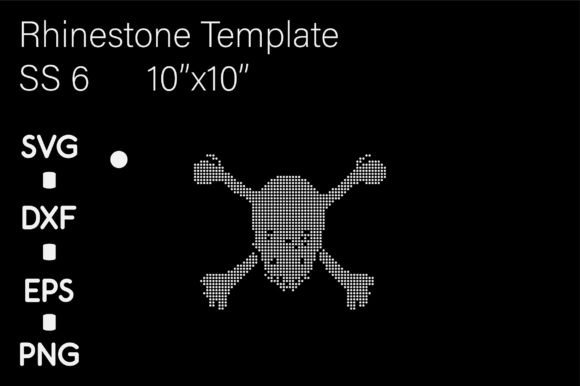
When I first opened the Rhinestone Design asset for a client project, I was surprised by the balance it struck between decorative detail and practical usability. As a brand designer who works with local businesses daily, I am always cautious about ornamental assets that look beautiful on screen but fail in production. This one held promise. The mood it creates is elegant yet approachable, with a soft sparkle that suggests celebration without shouting. It feels feminine, festive, and refined, but not overly precious. For a small business owner who wants packaging that feels special without veering into costume territory, this asset occupies a useful middle ground. It suggests a brand personality that is thoughtful, detail-oriented, and attentive to the customer experience. I could see it serving a boutique bakery, a handmade soap label, a children's product line, or a seasonal candle brand. The texture it implies adds a layer of perceived value that can elevate commodity products into gift-worthy offerings.
First Impressions and Brand Personality Fit
The Rhinestone Design asset immediately communicates a handmade sensibility with a polished finish. It does not feel like a generic clipart element. Instead, it reads as a considered graphic design asset that could anchor a small business branding system. The sparkle pattern is dense enough to read as a texture but open enough to allow typography to breathe. For a local business, this kind of visual hierarchy is critical. The design suggests quality, care, and a touch of luxury. It would suit a skincare brand that wants to convey natural ingredients with a premium presentation. It would also work for a florist who wants branding that feels romantic but not dated. The asset feels modern in its execution but timeless in its appeal, which is a rare combination in printable design. I would use it to build a brand identity that feels both personal and professional.
How Rhinestone Design Supports Real Packaging and Branding Projects
In a recent project for a local coffee shop that also sells handmade gift sets, I used Rhinestone Design as a decorative accent on the product labels. The client wanted something that felt festive for the holiday season but also consistent with their everyday brand. The asset worked beautifully as a background texture on the hang tags and as a subtle border element on the thank-you cards. The PNG file with transparent background made it easy to layer over the brand colors in their social media graphics. The SVG file allowed me to scale the design for a large promotional banner without losing detail. For a small business, having a design asset that functions across packaging design, social media, and print marketing is a significant time saver. The Rhinestone Design asset delivered that flexibility. It helped the client create a stronger first impression on their product packaging, which directly improved product recognition at local markets and on their online shop.
Practical Applications for Local Business Owners
If you are a handmade seller or boutique owner, you can use Rhinestone Design in several practical ways. On product labels, it works as a decorative frame or a subtle background pattern. For packaging design, it can be printed on tissue paper, included as a sticker seal, or used as a hero graphic on the front of a gift box. In promotional materials, it adds visual interest to flyers, price lists, and menu graphics. I have also seen it used effectively on business cards and website banners, where the sparkle texture creates a memorable brand moment. For social media content, the asset can be used as a backdrop for product photography or as a graphic element in quote cards and promotional ads. The 300dpi JPEG and PNG files ensure that the design prints cleanly, even at larger sizes. For a local business, this kind of versatile asset reduces the need to commission custom illustrations for every new campaign.
Where Rhinestone Design Works Best
Through my testing on real packaging mockups, I found that Rhinestone Design performs best in specific contexts. It shines on product labels where the brand wants to convey a sense of occasion or celebration. Seasonal packaging, gift sets, and limited-edition products benefit greatly from the decorative quality. It also works well as a hero graphic on promotional banners, where the texture can draw the eye without overwhelming the message. For boutique visuals, the asset adds a layer of polish that helps small businesses compete with larger brands on shelf appeal. The key is to use it as an accent rather than a full-coverage texture. When applied sparingly, it creates a stronger emotional connection with the customer. I also recommend using it on thank-you cards and printable inserts, where the tactile suggestion of the design can reinforce the brand experience after the purchase.
Where to Use Rhinestone Design with Caution
Not every application suits this asset. For formal corporate branding or luxury minimalist brands, the decorative nature of Rhinestone Design may compete with the desired simplicity. It should also be used carefully on very small labels, where the detail can become muddy or difficult to read. On crowded product packaging with ingredient-heavy layouts, the asset may distract from important legal information. Low-contrast backgrounds can also diminish the impact of the design, so always test it against your brand colors before finalizing. For designs where the decoration competes with important text, consider using it as a subtle watermark or a border element rather than a main graphic. The asset is versatile, but it requires thoughtful placement to serve the brand rather than overwhelm it. As a designer, I always preview the asset on real packaging mockups and check the black and white version to ensure it retains its structure in all contexts.
Practical Brand Designer Notes for Using Rhinestone Design
Before you use Rhinestone Design for client work or your own business branding, take a few practical steps. First, test it on real packaging mockups to see how the texture reads at various sizes. Print it on your actual label material to check the quality. The PNG transparency is clean, but always inspect the edges on a dark background. The SVG file is vector-based and editable, which is helpful for scaling and color adjustments. I recommend testing the asset beside different font styles to see which pairing creates the best visual hierarchy. It pairs well with serif fonts for a classic feel, with script fonts for a romantic look, and with sans serif fonts for a modern contrast. Handwritten fonts can also work, but test the combination on a small label to ensure legibility. Confirm the commercial license before using the asset for physical product sales or client branding. This is a crucial step for any graphic design asset you purchase from a creative marketplace.
Why Rhinestone Design Strengthens Small Business Branding
For a local business, every design choice contributes to customer trust and brand recognition. Rhinestone Design helps create a more professional packaging presentation that stands out on the shelf. It adds a layer of perceived value that can justify a premium price point. In my experience, businesses that invest in thoughtful packaging design see improved customer loyalty and stronger word-of-mouth marketing. This asset supports that goal by providing a consistent decorative element that can be used across product labels, social media graphics, and promotional materials. It helps build a cohesive brand identity that feels intentional and polished. For a handmade business or a boutique owner, this kind of design asset is a practical investment in professional branding. It saves time, reduces the need for custom illustration, and ensures that every customer touchpoint feels aligned with the brand story.
Final Thoughts on Using Rhinestone Design for Your Business
Rhinestone Design is a versatile graphic design asset that can elevate a small business brand when used thoughtfully. It offers a balance of decorative appeal and practical usability that makes it suitable for packaging design, product labels, social media content, and promotional visuals. The included file formats, including EPS, PNG, SVG, and JPEG, ensure that you can work with the asset across print and digital platforms. For a local business owner or a designer creating for a client, this asset provides a quick way to add a polished, celebratory feel to the brand. As with any design element, test it in your specific context, check the print quality, and confirm your licensing. When used with care, Rhinestone Design can help your business create a stronger first impression, better product recognition, and a more memorable customer experience.