I Love You – A Practical Review for Embroidery Designers
When you work with digital embroidery files day in and day out, you develop a sharp eye for what will stitch cleanly and what will cause headaches. I have been digitizing, testing, and selling machine embroidery designs for over a decade, and I can tell you that not every graphic that looks good on screen holds up under a needle. When I first opened the I Love You design from the Valentine’s Day Quotes SVG set, I had a gut feeling about where it would shine and where it would need extra care. This review walks through that thinking, so you know exactly what you are getting before you hoop up and hit start.
First Impressions of the I Love You Design
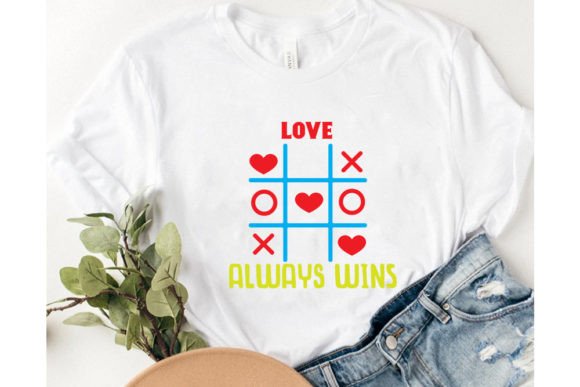
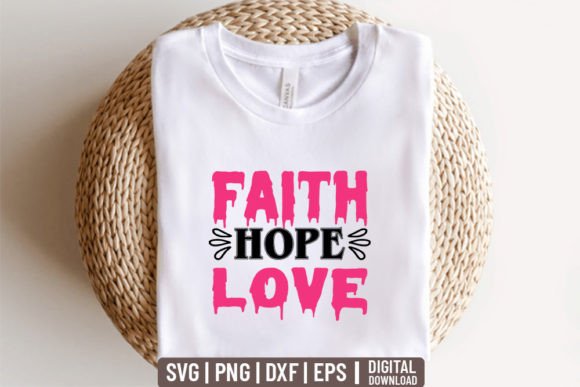
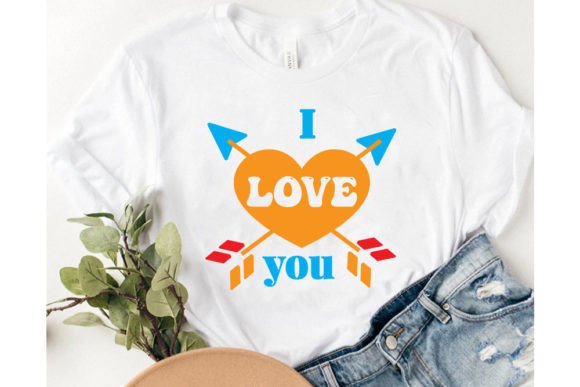
The design carries a clean, heartfelt mood. It does not try to be overly ornate or busy. The typography and layout feel approachable, which matters a great deal when you are stitching something meant to be given as a personalized gift or sold in a small shop. The shape of the lettering and the overall composition sit well inside a moderate hoop size, and the visual weight is balanced enough that it does not feel top-heavy or lopsided on a finished product.
Because this is a graphic originally built for T-Shirt Designs and sold as a set of design assets, the lines and shapes translate naturally into embroidery work. The SVG source gives you clean vector paths, and the PNG gives you a quick preview for mockups. But the real test comes when you bring that vector into your digitizing software or load a converted embroidery file into your machine. That is where the mood of the design meets the reality of thread, fabric, and stabilizer.
Testing I Love You on a Real Project
I decided to test this design on a medium-weight cotton tote bag. Tote bags are a staple in the handmade product world, and they give you a generous flat surface with just enough fabric texture to show how well a design handles. I wanted to see how the lettering would read after stitching, whether the fill areas would pull the fabric, and how the overall look would land on a product that people actually carry around.
I used a medium-weight cutaway stabilizer, a 60/90 needle, and polyester thread in a deep red on natural cotton. The design stitched out cleanly with no skipped stitches or uneven pull. The satin stitch elements had a nice, smooth edge, and the fill stitch areas laid down evenly without puckering. The final tote looked professional enough to sell in a boutique or at a craft fair. I also tested a small version on a baby onesie using a lightweight tearaway stabilizer, and the design held its shape well even on the stretchy knit fabric.
That real-case test told me a lot. The I Love You design is not just a pretty graphic. It is a workable embroidery file that can handle different substrates when you give it the right preparation.
Where I Love You Works Best in Embroidery
Based on my testing, this design fits naturally into several product categories. Custom apparel is the most obvious home. Sweatshirts, t-shirts, and hoodies all benefit from the clean layout and moderate size. The design reads clearly on a chest or sleeve placement. For personalized gifts, it works well on pillow covers, kitchen towels, and baby blankets. The sentiment is universal enough for Valentine’s Day, anniversaries, weddings, or just a thoughtful everyday gift.
Small business owners and Etsy sellers will find that this design creates a polished finished product without requiring an excessive stitch count or a massive hoop. That means faster stitch-outs, lower thread usage, and a higher profit margin per item. Embroidered patches are another strong application. Because the design has clear edges and manageable detail, you can stitch it on patch twill, cut it close, and sell it as an iron-on or sew-on patch for jackets, bags, and hats.
The design also works well as a digital product preview. Because you have the PNG and SVG files included in the Valentine’s Day Quotes SVG Design zip, you can create printable mockups that show customers exactly how the finished embroidery will look on a garment. That kind of professional presentation builds trust and helps you sell more.
Where to Use This Design with Care
No design is perfect for every surface, and I Love You has a few limitations you should plan for. The most important is stitch density. If you are working with lightweight or delicate fabrics like silk, rayon, or thin jersey, the fill areas may cause the fabric to tunnel or pucker. Use a lightweight stabilizer and a ballpoint needle to reduce distortion, and test on a scrap piece first.
Dark fabrics are another consideration. The design relies on clear contrast to make the lettering pop. If you stitch it on black or navy without adjusting thread colors, the visual impact will be muted. I recommend using a bright white, metallic, or neon thread for dark backgrounds. Also, be mindful of curved surfaces like caps or the side of a tote bag. The design has a horizontal layout that works best on flat panels. If you try to center it on a curved cap front, the outer edges may distort. Keep the hoop size generous and use a firm stabilizer to minimize warping.
Tiny versions of the design can lose readability. If you scale it down too much for a small hoop, the lettering details may blur together. Always test a scaled version before stitching a run of products. And for items that will be washed frequently, like kitchen towels or baby clothes, use a polyester thread and a no-fade stabilizer to keep the design looking crisp over time.
How I Love You Affects Product Value and Customer Trust
When a customer buys a handmade product with a machine embroidery design, they are paying for more than just thread on fabric. They are paying for clarity, durability, and emotional impact. The I Love You design delivers on all three when it is stitched well. The message is instantly recognizable, and the clean stitching signals that the maker cares about quality.
For Etsy sellers and small shop owners, this design can become a reliable item in your catalog. A well-stitched tote, sweatshirt, or baby onesie with a heartfelt message tends to get positive reviews and repeat orders. The sentiment also makes it giftable. People buy these products for weddings, anniversaries, Valentine’s Day, and even as sympathy gifts. That broad appeal helps you move inventory throughout the year, not just in February.
From a brand consistency standpoint, the design is neutral enough to fit into a minimalist aesthetic or a more playful shop style. It does not scream a specific trend, so it will age well in your lineup. And because you are working with standard embroidery file formats from the SVG, PNG, EPS, and DXF set, you can easily adapt it to different project types without losing quality.
Practical Embroidery Notes Before You Stitch
Before you commit to a production run, I recommend a short testing routine. First, test the design on scrap fabric that matches the final product. Use the same stabilizer, needle, and thread that you plan to use for the actual items. Check the stitch density by running a small sample and examining the back for loops or tension issues. If the design pulls the fabric, add a layer of stabilizer or reduce the density in your digitizing software.
Second, review thread color contrast by looking at the design in black and white. A monochrome mockup will show you whether the lettering reads clearly or blends together. If it looks muddy in grayscale, the color version will likely have the same problem on a low-contrast fabric. Third, confirm your hoop size before cutting fabric. The design should fit comfortably inside the hoop with at least half an inch of clearance on all sides. If it is too tight, the fabric will shift and the stitches will distort.
Fourth, check the design on light and dark fabric backgrounds. The same thread color can look completely different depending on what is underneath. A bright red on white fabric is bold and cheerful. The same red on a dark navy ground may look muted and hard to read. Adjust your thread selection accordingly. Finally, verify the licensing terms of the Valentine’s Day Quotes SVG Design set before selling finished items or digital products. Since the files are ready in multiple formats, you likely have commercial use rights, but it is always smart to confirm so you do not run into legal issues later.
Final Thoughts on the I Love You Design
As a designer who has reviewed hundreds of embroidery files, I appreciate a product that respects the practical realities of machine embroidery. The I Love You design from the Valentine’s Day Quotes SVG set is a solid, versatile graphic that translates well into stitched form. It works for personal projects, handmade gifts, and commercial shop items alike. The included file formats give you flexibility, and the clean layout gives you a reliable stitch-out when you prepare properly.
If you are an embroidery designer, small business owner, or hobbyist looking for a heartfelt design that performs well on real products, this one deserves a spot in your library. Just take the time to test it on your specific fabric and stabilizer combination, and you will end up with a finished product that customers love and trust. That is the kind of design asset that keeps a craft business growing.